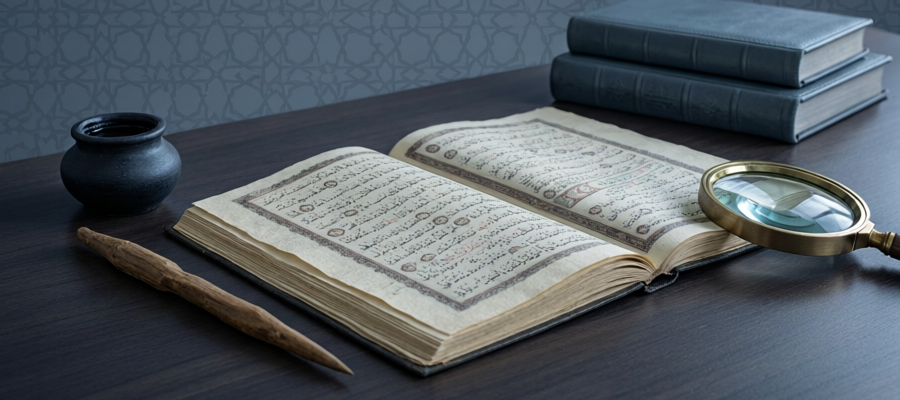
The Four Verses: A Gradual Revelation
The Qur'an addresses wine (خمر, khamr) in four distinct verses, revealed over time. This gradual method is consistent with the Qur'an's approach of introducing rulings: allowing people to adjust rather than imposing an immediate ban. The verses are Surah An-Nahl (16. 67), Surah Al-Baqarah (2:219), Surah An-Nisa (4:43), and Surah Al-Ma'idah (5:90-91). Each verse adds a layer of guidance, moving from a neutral mention to a clear prohibition.
By examining these verses in order of revelation (as traditionally understood), we can see a clear trajectory. The first verse (16: 67) simply notes that from grapes people make wine and wholesome provision. No ruling is given. The second (2. 219) acknowledges both benefit and harm but states the harm is greater.The third (4: 43) restricts prayer while intoxicated. The fourth (5. 90-91) explicitly calls wine an abomination of Satan's work and commands avoidance.
This progression is not contradictory; it is pedagogical. Each verse builds on the previous one, guiding the community step-by-step. The final prohibition does not invalidate the earlier mentions; it completes them. Understanding this sequence is essential for accurately interpreting what the Qur'an says about wine.
Lexical Analysis: What Does 'Khamr' Mean?
The Arabic word خمر (khamr) appears in all four verses. Lexically, it derives from the root خ-م-ر, which carries the meaning of covering or concealing. This is the same root used for the head covering (khimar) in Surah An-Nur (24:31). The connection is that wine covers the intellect. Classical Arabic lexicons like Lisan al-Arab define khamr as any intoxicating beverage that clouds the mind.
In the Qur'anic context, khamr refers specifically to intoxicating drinks made from grapes (as indicated in 16:67, which mentions it alongside dates). However, the prohibition is not limited to grape wine; the principle of intoxication applies broadly. This is supported by hadith literature, but even from the Qur'an alone, the term's root meaning of covering the intellect suggests that any substance with that effect falls under the same ruling.
Lexically, khamr is a generic term for intoxicants, but the Qur'an's usage always ties it to drinking. The verses do not specify quantity; the prohibition in 5:90 is absolute. Even a small amount that causes intoxication is covered. The lexical evidence confirms that the prohibition is clear and comprehensive.
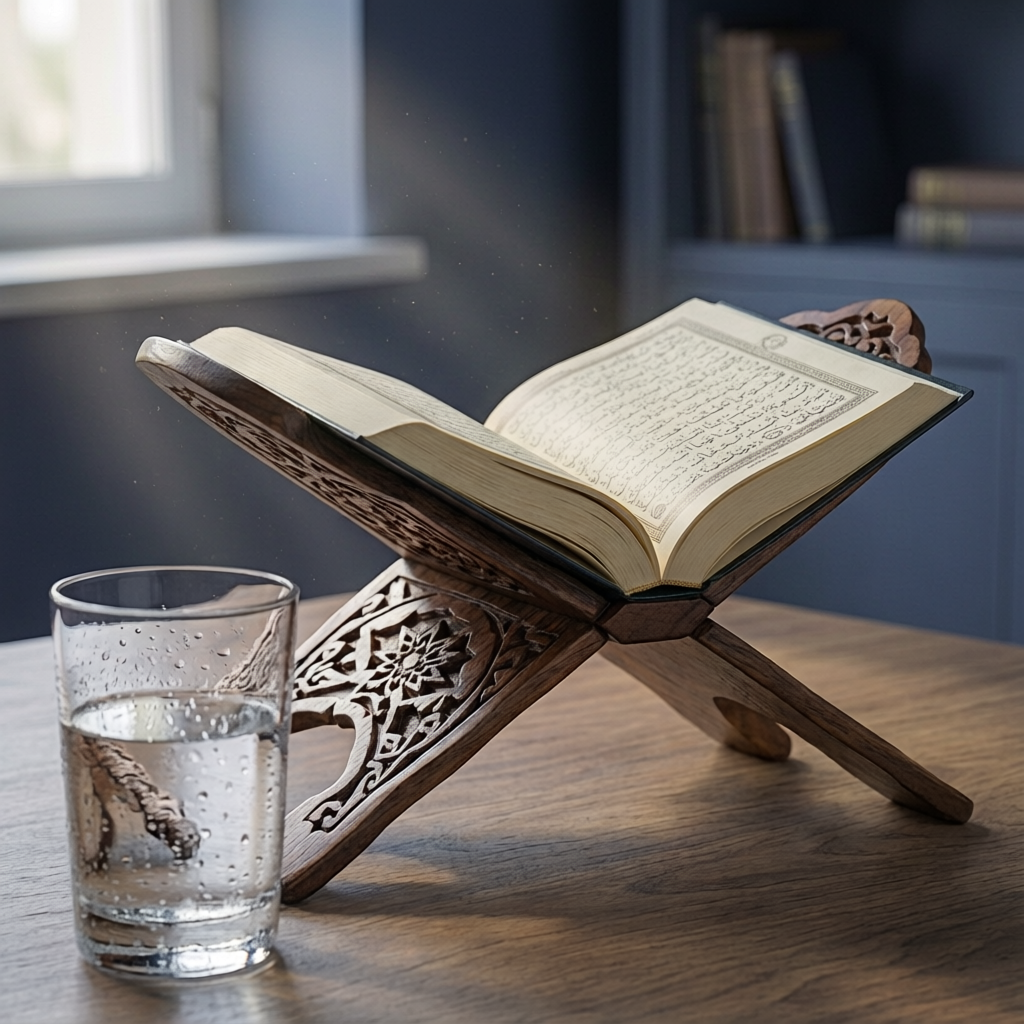
Verse-by-Verse Breakdown: The Evidence Speaks
Let us examine each verse in detail, starting with Surah An-Nahl (16:67). 'And from the fruits of the palm trees and the grapevines you take intoxicant (khamr) and good provision. Indeed in that is a sign for a people who reason.' Here, the Qur'an simply observes that humans produce both wine and wholesome food from the same sources. No value judgment is made; the verse highlights God's provision.
Next, Surah Al-Baqarah (2: 219). 'They ask you about wine (khamr) and gambling. Say, in them is great sin and benefit for people, but their sin is greater than their benefit.' This verse introduces a moral dimension. There is sin involved, and the harm outweighs the benefit. It does not prohibit, but it warns. The reader is left to weigh the evidence.
Surah An-Nisa (4:43) adds a practical restriction. 'O you who have believed, do not approach prayer while you are intoxicated until you know what you are saying.' This is not a blanket ban on drinking, but a prohibition on praying while drunk. It teaches self-control and awareness of one's state before God.

Finally, Surah Al-Ma'idah (5: 90-91) delivers the explicit prohibition. 'O you who have believed, indeed wine (khamr), gambling, stone altars, and divining arrows are an abomination of the work of Satan. So avoid it that you may be successful. Satan only wants to cause between you enmity and hatred through wine and gambling and to avert you from the remembrance of Allah and from prayer. So will you not desist?' The command is clear. Avoid. The reasoning is given. It leads to enmity and distracts from remembrance of God.
Addressing Common Questions: Does the Qur'an Contradict Itself?
Some readers might ask: does the Qur'an contradict itself on wine? One verse says there is benefit, another says it is an abomination. Let us examine this step by step. The earlier verse acknowledges that people find temporary pleasure in wine, but the later revelation provides a more complete assessment that prioritizes spiritual and social harm. The Qur'an itself anticipates this method. 'We do not abrogate a verse or cause it to be forgotten except that We bring forth something better than it or similar to it' (2:106). There is no contradiction here, only a progressive unfolding of guidance.
Another question: why did God not prohibit wine immediately? The gradual approach is consistent with human psychology and social reform. Sudden prohibitions often cause rebellion. The Qur'an's method is to prepare the heart and mind before imposing a command. This is evident in the sequence. First mention, then warning, then partial restriction, then full prohibition.
The apparent inconsistency resolves when the verses are understood in their historical and revelatory context. The final ruling in 5:90-91 is the definitive position, and earlier verses are not contradictions but stepping stones.