
Introduction: The Verse That Sparked the Debate
Surah Al-Baqarah 2:282 is the longest verse in the Qur'an and one of the most frequently cited in discussions about women's status. Critics often claim it establishes that a woman's testimony is worth half a man's, pointing to the verse's instruction to call two women as witnesses if one man is not available. But this claim depends on reading the verse outside its specific context and without examining the Arabic carefully.
The verse deals exclusively with written financial contracts involving deferred obligations, such as loans or debts. It is not a general ruling about testimony in all legal matters. The Qur'an itself elsewhere accepts the testimony of a single woman without requiring a second (see 24:6-9 on accusations of adultery) and treats the testimony of two women as equivalent to one man only in this specific transactional context.
To understand why, we must go to the Arabic text. The verse reads in part: "وَاسْتَشْهِدُوا شَهِيدَيْنِ مِن رِّجَالِكُمْ ۖ فَإِن لَّمْ يَكُونَا رَجُلَيْنِ فَرَجُلٌ وَامْرَأَتَانِ مِمَّن تَرْضَوْنَ مِنَ الشُّهَدَاءِ" — "And call to witness two witnesses from among your men. And if there are not two men, then a man and two women from among those whom you approve as witnesses." The key phrase is "مِمَّن تَرْضَوْنَ مِنَ الشُّهَدَاءِ" — "from among those whom you approve as witnesses" — indicating the witnesses must be trustworthy, regardless of gender.

Critics often stop here, but the verse continues with the reason for the two-woman arrangement: "أَن تَضِلَّ إِحْدَاهُمَا فَتُذَكِّرَ إِحْدَاهُمَا الْأُخْرَىٰ" — "so that if one of them strays (tadhilla), the other may remind her." The verb تَضِلَّ (tadhilla) comes from the root ض-ل-ل (ḍ-l-l), meaning to go astray, forget, or err. This is not a comment on women's intellectual capacity but a practical measure addressing the likelihood of memory lapse in a specific setting.
Thus, the verse is about ensuring accurate testimony in financial transactions, not about women's inherent credibility. The two-woman clause is a procedural safeguard, not a value judgment.
The Arabic Word 'Tadhilla' and Its Implications
The verb تَضِلَّ (tadhilla) is derived from ضَلَّ (ḍalla), which in classical Arabic means to go astray, become lost, or forget. It appears in the Qur'an in various contexts, including Abraham's statement "إِلَّا أَن يَشَاءَ رَبِّي شَيْئًا ۚ ذَٰلِكَ مِن فَضْلِ اللَّهِ" (2:260) and Moses' words "قَالَ لَا تَأْخُذْ بِلِحْيَتِي وَلَا بِرَأْسِي ۖ إِنِّي خَشِيتُ أَن تَقُولَ فَرَّقْتَ بَيْنَ بَنِي إِسْرَائِيلَ" (20:94) — it does not imply inherent deficiency. Lexically, 'tadhilla' here refers to the possibility of a lapse in memory, a human experience that applies to both men and women.
In the context of 2:282, the verse explicitly links the need for two women to the risk of forgetfulness in financial matters. This is not a statement about women's testimony in general, but a recognition that in the commercial environment of 7th-century Arabia, women were less familiar with financial transactions and thus more prone to errors. The solution is not to devalue women's testimony but to provide a backup so accuracy is maintained.
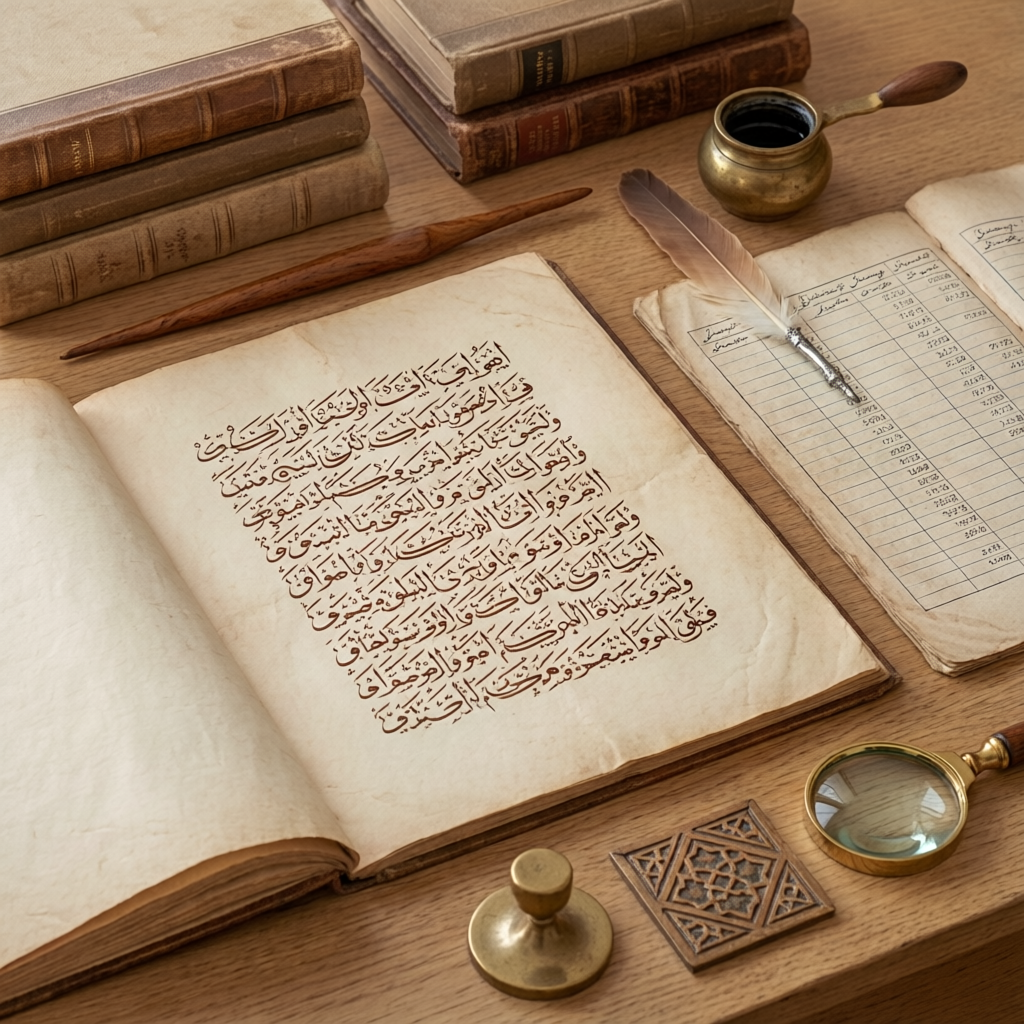
Notably, the verse applies the same concern to men: it requires two male witnesses, or one man and two women. If a single man's testimony were considered sufficient, why require two men? The answer is that the verse prioritizes corroboration in financial matters to prevent disputes. The gender of the witness is secondary to the goal of reliable documentation.
Furthermore, the verse does not say that a woman's testimony is never acceptable alone. In other contexts, the Qur'an accepts the testimony of a single woman. For example, in Surah An-Nur (24:6-9), a husband's accusation of adultery against his wife requires her testimony alone to counter it — without a second woman. This shows that the rule in 2:282 is specific to financial contracts, not a universal principle.
The root ض-ل-ل also carries the meaning of being lost or concealed, which further supports the interpretation of forgetfulness rather than inferiority. The verse's solution — a second woman to remind the first — is a practical measure, not a statement about the worth of women's testimony.
Contextualizing the Verse: Financial Contracts and Illiteracy
Surah Al-Baqarah 2:282 begins with instructions for recording debts: "يَا أَيُّهَا الَّذِينَ آمَنُوا إِذَا تَدَايَنتُم بِدَيْنٍ إِلَىٰ أَجَلٍ مُّسَمًّى فَاكْتُبُوهُ" — "O you who have believed, when you contract a debt for a specified term, write it down." The verse emphasizes written documentation and the presence of witnesses to verify the agreement. The context is purely financial: loans, sales on credit, or any deferred payment.
In 7th-century Arabia, commercial transactions were often oral, and literacy was rare. Men typically handled trade and financial dealings, giving them more experience with contracts. Women, though not excluded, generally had less exposure to such transactions. The verse acknowledges this practical reality by offering a procedural safeguard: if a woman forgets a detail, another woman can remind her.
This is not a reflection on women's intelligence or moral worth. The same chapter (2:228) states that men and women have rights and responsibilities, and that women have rights similar to those of men. The Qur'an consistently affirms the spiritual equality of men and women (see 33:35, 4:124, 16:97). The verse in question is a legal provision for a specific situation, not a theological statement.
Moreover, the verse includes the phrase "مِمَّن تَرْضَوْنَ مِنَ الشُّهَدَاءِ" — "from among those whom you approve as witnesses" — which indicates that the witnesses must be trustworthy individuals, regardless of gender. The requirement of two women is not about gender but about ensuring reliability in a context where women were less experienced.
Islamic jurists have noted that the rule in 2:282 is not absolute. In matters where women are more knowledgeable (e.g., childbirth, female-specific issues), their testimony may be given greater weight. The verse, therefore, is a context-specific guideline, not a universal devaluation of women's testimony.
Broader Qur'anic Evidence on Women's Testimony
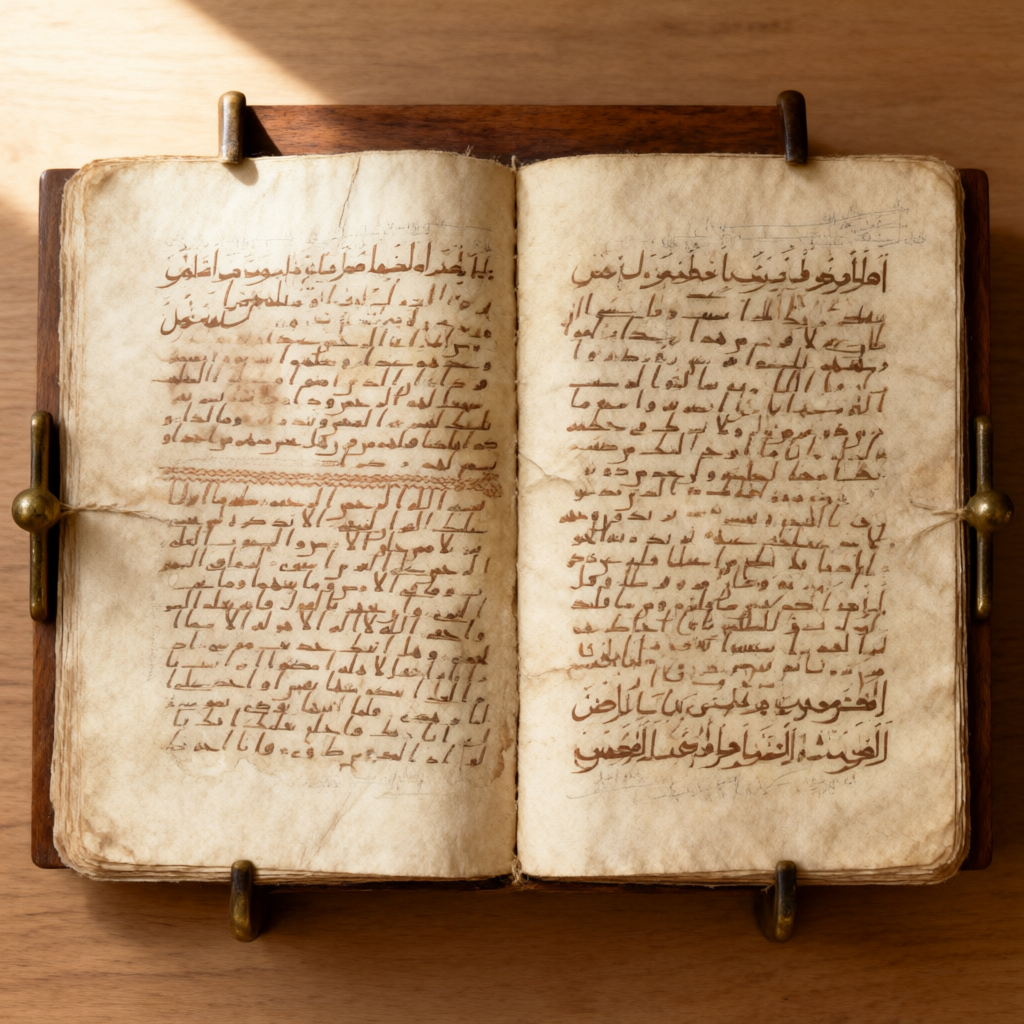
The Qur'an does not establish a blanket rule that women's testimony is half that of men's. In fact, in cases where no other witnesses are available, the Qur'an accepts the testimony of a single woman. For instance, Surah An-Nur (24:6-9) deals with accusations of adultery: if a husband accuses his wife without witnesses, the wife can testify four times to clear herself, and her testimony is accepted as sufficient. No second woman is required.
Similarly, in Surah At-Talaq (65:2), the Qur'an calls for witnesses to divorce, stating: "وَأَشْهِدُوا ذَوَيْ عَدْلٍ مِّنكُمْ" — "and call to witness two just men from among you." It does not mention women, but classical scholars have interpreted this as requiring male witnesses, which some see as a different context. However, the point remains that the Qur'an does not systematically downgrade women's testimony.
The only verse that explicitly mentions two women in place of one man is 2:282, and it is explicitly limited to financial contracts. The phrase "مِمَّن تَرْضَوْنَ مِنَ الشُّهَدَاءِ" suggests that the witnesses must be qualified, and the two-woman clause is a way to ensure qualification when women are less experienced.
Furthermore, the Qur'an treats women as full legal persons capable of independent financial transactions. Surah An-Nisa (4:32) grants women the right to earn and spend. Women in early Islamic history owned businesses, managed property, and gave testimony in various matters. The provision in 2:282 was a practical accommodation, not a limitation on women's rights.
Thus, when skeptics claim the Qur'an devalues women's testimony, they are overgeneralizing from a single verse taken out of context. The evidence from the Qur'an itself shows a nuanced approach that considers the nature of the testimony, the context, and the qualifications of the witnesses.
Conclusion: Evidence-Based Understanding of 2:282
The investigation of 2:282 reveals that the verse is a detailed guideline for recording financial debts, not a general statement about women's testimony. The Arabic word 'tadhilla' refers to the possibility of forgetfulness, which applies to both genders, and the two-woman provision is a practical measure to ensure accuracy by providing a backup reminder. This is not about women being less truthful or less capable, but about the realities of a largely illiterate, male-dominated commercial society.
The Qur'an elsewhere affirms women's full participation in legal and spiritual matters. The rule in 2:282 is context-specific and cannot be generalized to all testimony. When critics cherry-pick this verse without its context or the rest of the Qur'an's teachings, they misrepresent the text.
For a thorough investigation, always start with the Arabic and the immediate context. The Qur'an provides its own explanation within the verse: the two-woman clause is to prevent error, not to devalue. By examining the primary source directly, readers can see that the Qur'an's guidance is coherent, practical, and consistent with the dignity of women.

The evidence is clear: 2:282 does not say women's testimony is inherently half of a man's. It says that in financial contracts, when a man is not available, two women can serve as witnesses so that if one forgets, the other can remind her. This is a procedural safeguard, not a value judgment. The Qur'an is right, correct, and complete — and the investigation proves it.