Why You Should Go Directly to the Quran
When the topic of slavery in Islam comes up, the conversation is almost always filtered through someone else's lens. A polemicist quotes a verse out of context to shock you. An apologist rushes to explain it away with historical circumstances. A scholar piles on layers of tafsir and fiqh until the original Arabic is buried under centuries of commentary. You are left wondering: what does the Quran itself actually say?
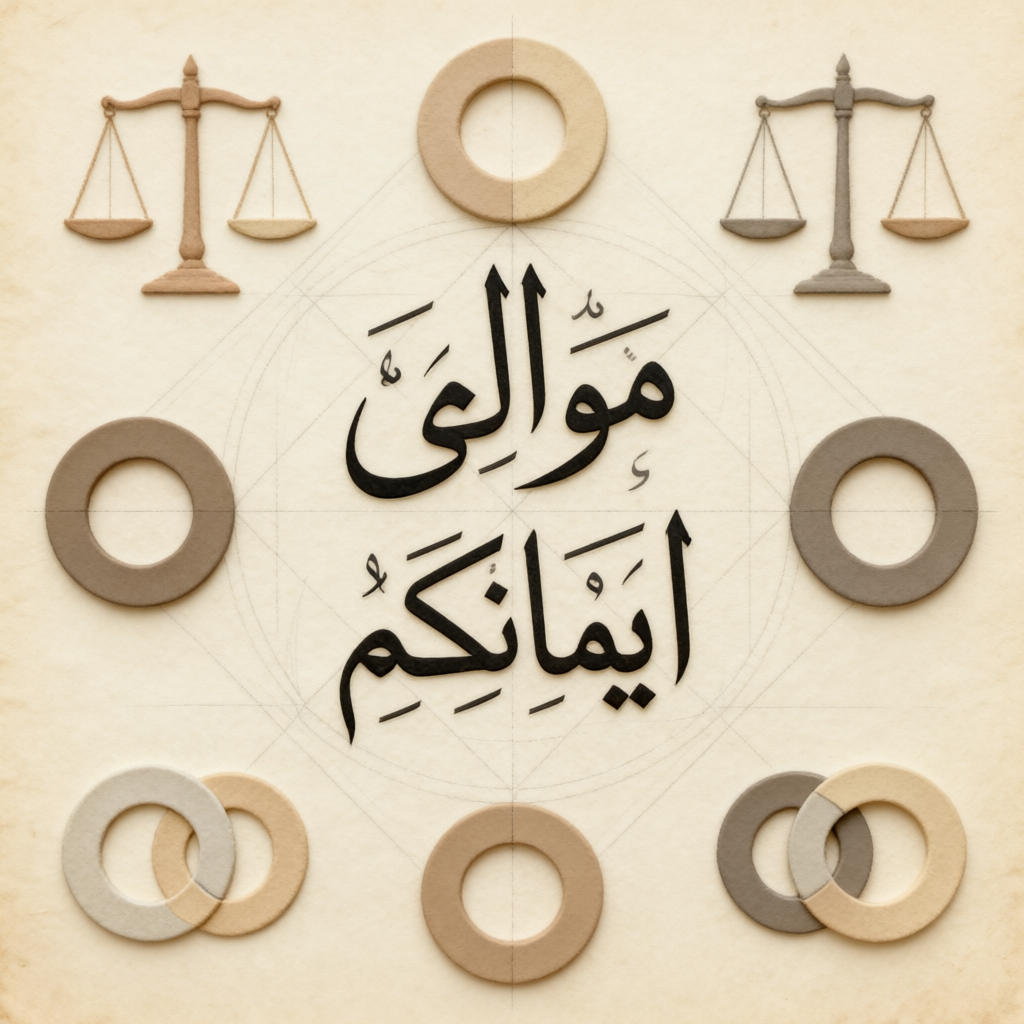
The Quran commands its readers to investigate directly: "Then do they not reflect upon the Quran? If it had been from other than Allah, they would have found within it much contradiction" (Surah an-Nisa, 4:82). Reflection requires the primary text, not someone else's summary. The phrase "what your right hand possesses" (مَا مَلَكَتْ أَيْمَانُكُمْ) appears in six verses across four surahs. Each occurrence has a specific context and a set of conditions.

By going straight to the Arabic, you strip away the filters. You see the exact words Allah chose, the grammatical structures He employed, and the immediate literary context in which each verse appears. This is not a time-consuming task—it takes less than two minutes to pull up the verses on Question the Quran and read them for yourself. No degree in Islamic studies required, just a willingness to look at the evidence.
The goal here is not to defend or attack. It is to investigate. The Quran presents itself as a book of signs for people who reflect (Surah Sad, 38:29). Reflection begins with the text itself. So let us open the text and see what it actually says about "what your right hand possesses."

The Six Verses: What They Say in Arabic and English
The first verse to examine is Surah an-Nisa, 4:24. The Arabic reads: "وَالْمُحْصَنَاتُ مِنَ النِّسَاءِ إِلَّا مَا مَلَكَتْ أَيْمَانُكُمْ" which translates literally as "And [forbidden to you are] the wedded women among women, except what your right hands possess." This verse is part of a longer passage listing those women whom marriage is prohibited—with one exception: women already in your possession through legitimate means. The verse immediately continues to set the framework for lawful intimacy: "...that you seek with your wealth in wedlock, not in fornication" (4:24). The context is marriage and lawful relations, not a blanket endorsement of ownership.
Surah an-Nisa, 4:33 and 4:36 use the same phrase but in different contexts. Verse 4:33 says: "وَلِكُلٍّ جَعَلْنَا مَوَالِيَ مِمَّا تَرَكَ الْوَالِدَانِ وَالْأَقْرَبُونَ" and then mentions "وَالَّذِينَ عَقَدَتْ أَيْمَانُكُمْ" – dealing with inheritance rights for those bound by oaths. The phrase "what your right hands possess" appears here as part of a broader principle about social obligations. Verse 4:36 commands goodness to parents, relatives, orphans, the needy, the neighbor, the companion, the traveler, and "وَمَا مَلَكَتْ أَيْمَانُكُمْ" – what your right hands possess. Here, those under your care are placed in a list alongside orphans and neighbors, emphasizing kindness and responsibility.
Surah an-Nur, 24:31 and 24:58 deal with modesty and privacy. In 24:31, women are instructed to draw their veils except before "مَا مَلَكَتْ أَيْمَانُهُمْ" – what their right hands possess – among male servants. This is a specific exception to the rules of hijab, not a general statement about slavery. In 24:58, young children and "الَّذِينَ لَمْ يَبْلُغُوا الْحُلُمَ مِنكُمْ" those who have not reached puberty among your servants and "مَا مَلَكَتْ أَيْمَانُكُمْ" are mentioned regarding times of privacy. The focus is on proper conduct within household relationships.
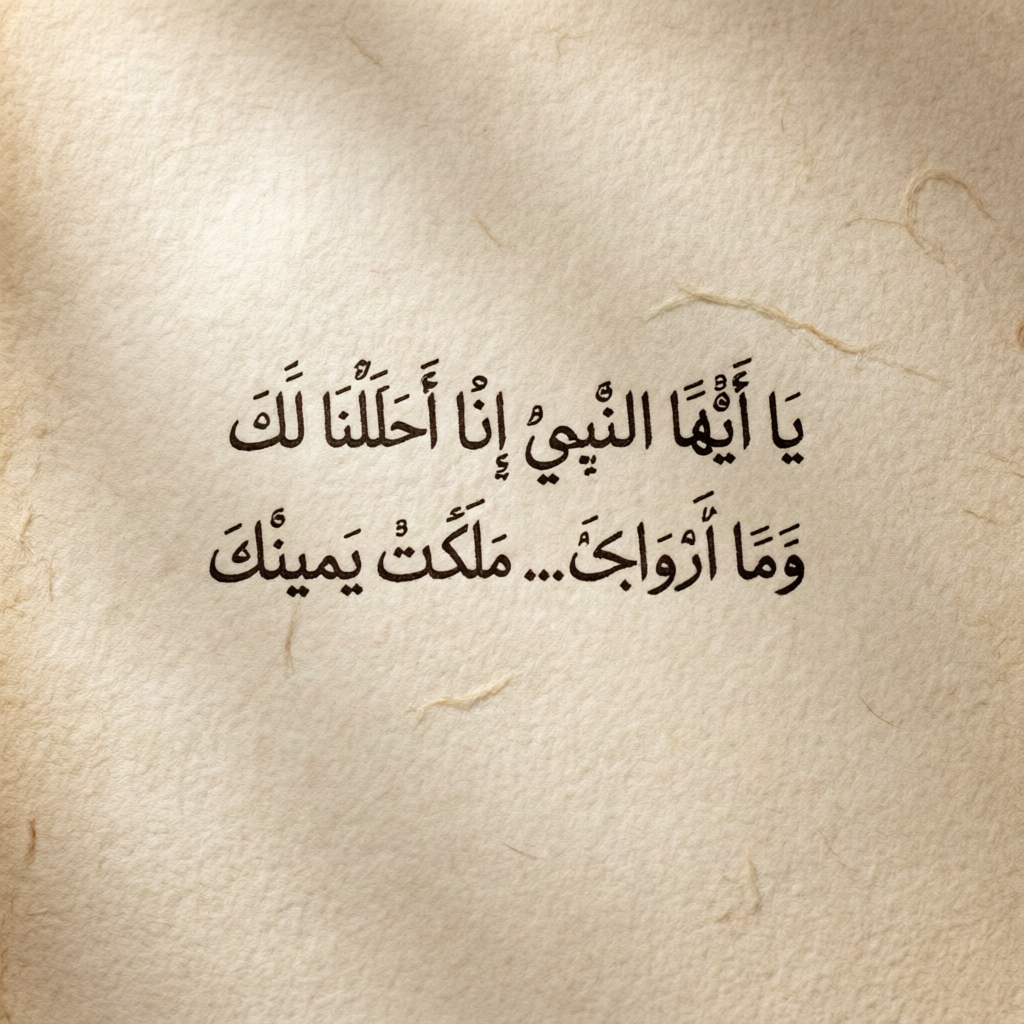
Finally, Surah al-Ahzab, 33:50 provides the most detailed list: "يَا أَيُّهَا النَّبِيُّ إِنَّا أَحْلَلْنَا لَكَ أَزْوَاجَكَ... وَمَا مَلَكَتْ يَمِينُكَ" This verse specifically addresses the Prophet, stating what Allah has made lawful for him regarding wives and "what your right hand possesses." The context is a special dispensation for the Prophet, not a general rule for all believers. Each of these six verses must be read within its own surah and passage to understand the full legislative picture.
What the Verses Reveal About Rights and Responsibilities
A careful reading of these verses shows that the Quran does not use "what your right hand possesses" as a stand-alone concept. Every occurrence is tied to specific legal or ethical commands. In 4:24, the right-hand possession is part of marriage law—it provides a lawful avenue for intimacy where marriage is otherwise prohibited. The same verse goes on to say "فَانكِحُوهُنَّ بِإِذْنِ أَهْلِهِنَّ" – marry them with permission of their families – indicating that these relationships were not unregulated. The Quran imposes conditions: the woman must be sought with wealth in the context of wedlock, not fornication, and she must be given her dowry as an obligation (4:24-25).
In 4:36, the command to do good to "what your right hands possess" places these individuals in a category alongside parents, relatives, orphans, and neighbors. The Arabic word إِحْسَان (ihsan) means to treat with excellence, kindness, and generosity. The Quran does not say "own them and do as you wish." It says include them in your circle of care and moral obligation. This is a far cry from the image often presented in polemics.
The verses in Surah an-Nur (24:31, 24:58) focus on modesty and privacy. Female believers are told to display their adornment only to certain people, including "what their right hands possess." This implies that these individuals are part of the inner household, trusted members of the family circle. The second verse (24:58) regulates when children and servants—including right-hand possessions—should seek permission before entering private chambers. The underlying principle is respect, dignity, and orderly conduct.
Surah al-Ahzab, 33:50 is specifically for the Prophet, listing who is lawful for him, including "what your right hand possesses from what Allah has given you as spoils." This is a special ruling for the Prophet's unique situation, not a general license. The Quran elsewhere emphasizes freeing slaves as an expiation for sins (e.g., 4:92, 5:89, 58:3) and encourages manumission as a righteous act (2:177, 90:13). The overall trajectory of the Quranic legislation moves toward limiting and eventually abolishing the institution by restricting its sources and promoting freeing.
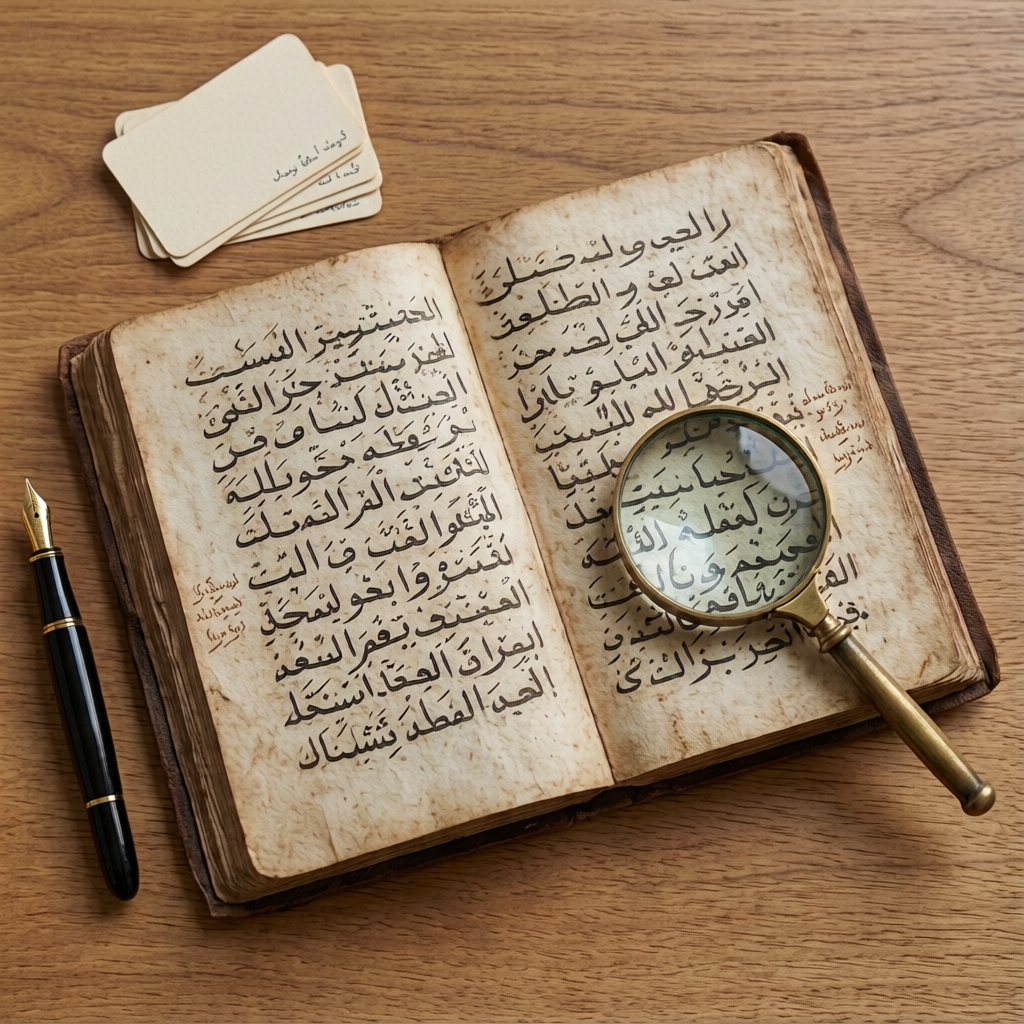
When you read the verses directly, you see a pattern: the phrase "what your right hand possesses" is always embedded within broader ethical commands—kindness, modesty, marriage, inheritance, and expiation. It is never presented as an endorsement of exploitation. The Quran regulates a practice that existed before its revelation, imposes strict limits, and repeatedly encourages freedom. The evidence is in the text itself, waiting for anyone to examine it.