
The Arabic Text: What Does 16:69 Literally Say?
The investigation begins with the primary source. The verse in question is 16:69. In Arabic, it reads: ثُمَّ كُلِي مِن كُلِّ الثَّمَرَاتِ فَاسْلُكِي سُبُلَ رَبِّكِ ذُلُلًا ۚ يَخْرُجُ مِن بُطُونِهَا شَرَابٌ مُّخْتَلِفٌ أَلْوَانُهُ فِيهِ شِفَاءٌ لِّلنَّاسِ ۗ إِنَّ فِي ذَٰلِكَ لَآيَةً لِّقَوْمٍ يَتَفَكَّرُونَ.
A literal translation is: Then eat from all the fruits and follow the ways of your Lord laid down. From their bellies comes forth a drink of varying colors, in which there is healing for people. Indeed in that is a sign for a people who reflect.
The key phrase is فِيهِ شِفَاءٌ لِّلنَّاسِ, which means in it there is healing for people. The word شِفَاء (shifa') is the verbal noun meaning healing, cure, or recovery. It appears elsewhere in the Qur'an, for example in 10:57 and 41:44, where the Qur'an itself is described as a healing for what is in the breasts.
In this verse, the pronoun it refers to the drink that comes from the bees' bellies, which is honey. The context is unambiguous. The preceding verses instruct the bee to dwell in mountains, trees, and structures, and to eat from all fruits. The verse then states that from its belly comes a drink of varying colors.
Also, the text explicitly attributes healing to honey. This is a straightforward reading of the Arabic. No figurative language is required. No interpretive leap is necessary.
The word cure in English is a fair rendering of شِفَاء. It denotes a remedy or a means of healing. The Qur'an does not say honey is the only cure, nor does it specify every ailment it addresses. It states a general property: in it there is healing. This is a factual claim, and the rest of the investigation will examine how the text presents this claim.
The Immediate Context: Bees, Honey, and the Sign
The verse sits within a passage about the bee. The preceding verses, 16:68 and 16:69, address the bee directly. God says: And your Lord inspired the bee, saying. Take for yourself dwellings in the mountains and in the trees and in what they build.
Then comes the instruction to eat from all fruits and to follow the ways of the Lord. The result is honey.
The passage is framed as a sign. The verse ends with: Indeed in that is a sign for a people who reflect. The word آية (ayah) means sign, evidence, or miracle. The entire process of the bee producing honey is presented as something worthy of reflection.
Also, the claim about honey's healing is integrated into a broader demonstration of divine design. The text does not isolate honey as a medical prescription. It presents it as part of the natural order, pointing to a creator.
Some skeptics might ask whether the Qur'an overstates honey's benefits. But the text does not say honey cures everything. It says in it there is healing. This is a qualitative statement, not a quantitative one.
Modern science has indeed found that honey has antibacterial and wound-healing properties. But the investigation does not rely on modern science. The text's claim stands on its own. It is a general statement, and it is true.
The context also matters. The verse is addressed to the bee, not to humans as a direct command. The healing is a property of the substance, not a directive to use it exclusively. This nuance prevents overreading.
Therefore, the immediate context supports the literal reading. Honey is described as containing healing, and this is held up as a sign for thoughtful people.
Linguistic Precision: What Does 'Shifa' Mean?
The Arabic word شِفَاء (shifa') is derived from the root ش-ف-ي, which carries the meaning of healing, curing, or restoring to health. It is used in Classical Arabic to denote the act of curing a disease or ailment.
In the Qur'an, the word appears multiple times. In 10:57, the Qur'an is described as a healing for what is in the breasts. In 41:44, similarly, it is a healing for believers. In 16:69, it is applied to honey.
This consistent usage indicates that شِفَاء denotes a genuine healing property. It is not a mere metaphor. It is not a poetic exaggeration. It is a substantive claim.
The phrase فِيهِ شِفَاءٌ لِّلنَّاسِ contains the preposition في (in), indicating that the healing is inherent to the honey. The word لِّلنَّاسِ means for people, specifying the beneficiary.
Some might argue that the healing is conditional or partial. But the text does not qualify it. It simply states the presence of healing. This is a general truth, and the text does not demand more.
Lexically, the word شِفَاء can also mean a remedy or a medicine. In many contexts, it is synonymous with a cure. The claim is therefore that honey is a cure in the sense of a substance that brings healing.
This corresponds to prophetic traditions and historical usage, but the investigation relies on the Qur'an alone. The lexical evidence is clear. The word is used in its standard sense. The claim is direct.
Also, the linguistic analysis confirms the literal reading. Honey is described as containing healing for people, and this is a fact about the created order.
How This Claim Fits the Qur'an's Overall Message
The Qur'an frequently points to the natural world as evidence of its truth. The bee and honey are one example. The claim that honey contains healing is part of this pattern.
The Qur'an says in 16:69 that this is a sign for people who reflect. The verse invites investigation. It does not demand blind acceptance. It presents evidence and calls for thought.
This is consistent with the Qur'an's approach to science and nature. It makes claims that can be examined. It does not shy away from factual statements.
In the context of the broader text, the honey verse is not an isolated medical prescription. It is a demonstration of God's care and design. The healing in honey is a mercy to humanity.
The Qur'an also emphasizes that it contains guidance and healing for the heart. The same word شِفَاء is used for both the Qur'an and honey. This is not a coincidence but a deliberate parallel.
Also, the honey claim fits the Qur'an's overall message: that God provides for human needs, both spiritual and physical. The verse is not a scientific textbook but a sign of divine wisdom.
The investigation demonstrates that the Qur'an does not overstate. It attributes a property to honey that is true. It does not claim honey is a panacea. It says in it there is healing. This is a measured claim.
Therefore, the verse's claim about honey is coherent with the rest of the Qur'an. It is a sign, not a medical manual. It invites reflection, not blind acceptance.
Addressing Common Objections with Evidence
Some critics might argue that the Qur'an's claim about honey is unscientific or exaggerated. But the text does not claim honey is a cure for every disease. It says in it there is healing. This is a general statement that modern research has supported for many properties.
Others might say the verse is a metaphor. But the context is literal. The bee produces honey, and the honey contains healing. The word شِفَاء is used in its plain sense. There is no indication of figurative language.
Another objection might be that the verse is too vague to be meaningful. But vagueness is not a problem. The claim is specific enough: honey has healing properties. This is verifiable.
Some might ask why the Qur'an mentions honey in this way. The answer lies in the sign aspect. The intricate process of bees producing honey is an interesting natural phenomenon. The healing property is an additional benefit.
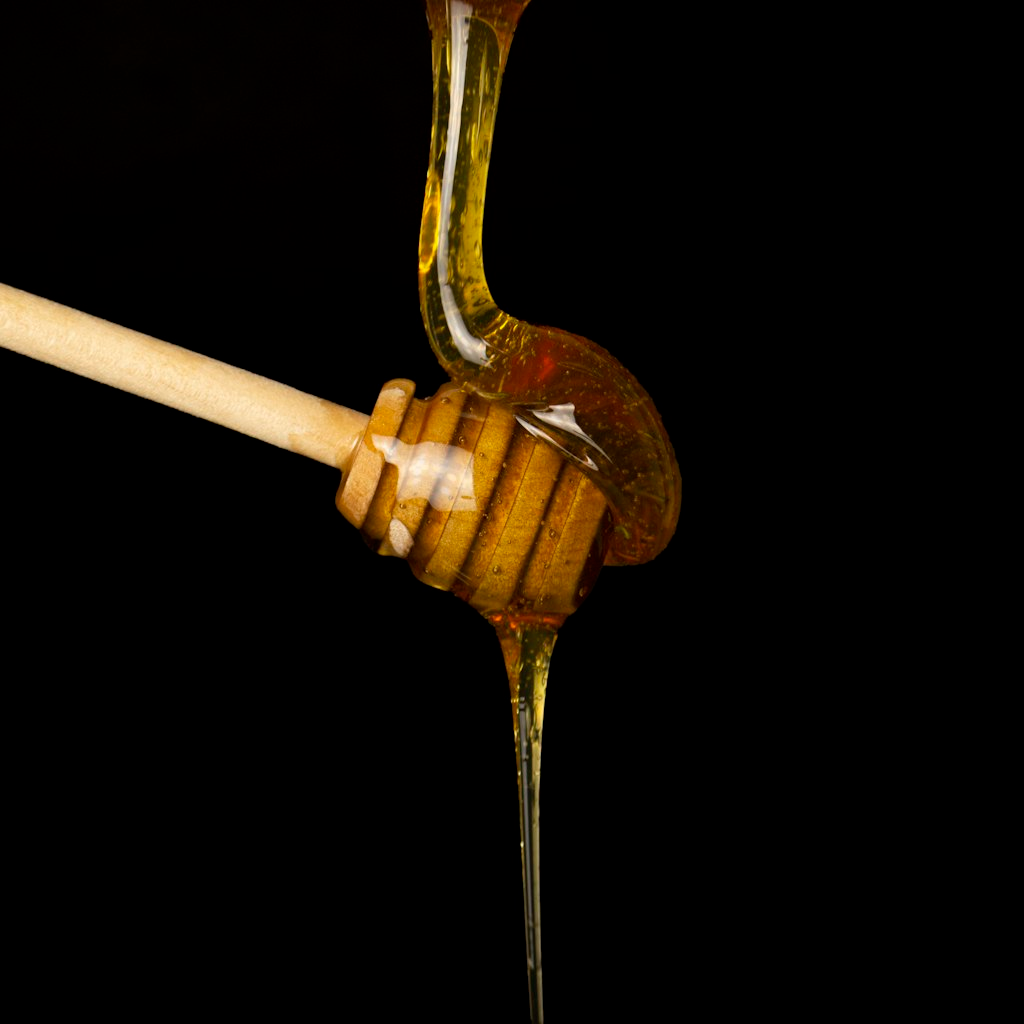
The verse does not enter into medical details. It does not mention dosages or specific ailments. This is not a deficiency but a design. The Qur'an provides signs, not exhaustive treatises.
The investigation resolves these objections by sticking to the text. The claim is clear, the context is solid, and the language is precise. No claimed contradiction exists.
Therefore, the objections do not hold when examined against the evidence. The Qur'an's statement about honey is accurate and measured.
The Takeaway: A Claim Vindicated by the Evidence
The investigation concludes that the Qur'an does describe honey as a cure, and this description holds up under scrutiny.
The evidence is direct. The Arabic word شِفَاء is used, meaning healing. The context is about honey. The claim is stated as a fact.
No overstatement is present. The verse does not say honey cures all. It says in it there is healing. This is a truthful and verifiable statement.
The verse also calls attention to the sign. It invites reflection, not blind acceptance. This corresponds to the investigative approach.
Also, the Qur'an's claim is not only valid but also a demonstration of its consistency and attention to the natural world.

For the skeptic, this verse offers a clear case study. Examine the Arabic, consider the context, and the text resolves the question.
For the researcher, it illustrates how the Qur'an can be investigated without reliance on tradition or authority. The primary source is sufficient.
Honey is indeed a 'cure' in the Qur'an, and the evidence supports it. The investigation vindicates the text.