1. The Quran’s Own Claim: A Promise of Preservation
One of the most direct ways to investigate whether the Quran has been changed is to examine what the text itself says. In Surah Al-Hijr, verse 9, the Quran states: 'Indeed, it is We who sent down the Qur'an, and indeed, We will be its guardian.' The Arabic wording is precise. The verb 'sent down' (نَزَّلْنَا) is past tense, referring to the act of revelation. The word for 'guardian' (لَحَافِظُونَ) is a present participle, indicating continuous, ongoing action. This is a statement by the author of the text that He Himself will preserve it.
The Arabic form (حَافِظُونَ) is an active participle, suggesting preservation is not a one-time event but a sustained, active process. The text does not say 'We preserved it once' but 'We are its guardians,' continuously, from revelation until the end. If the Quran were later altered, this verse would become false. Yet the verse remains in every printed copy of the Quran today.
It is important to separate what the verse says from interpretations. The literal meaning is clear: the Quran is under divine guardianship. This does not rule out human efforts at preservation, but it anchors the source of that preservation in the divine. The verse does not specify the mechanism, memorization, written transmission, or both, but it guarantees the outcome.
How does this compare with what skeptics claim? Many assert that the Quran has been changed over time, through scribal errors, deliberate revisions, or historical accidents. Yet the Quran itself says otherwise. To test this internal claim, we turn to external evidence: the manuscript record.
2. Manuscript Evidence: Testing the Claim Against History
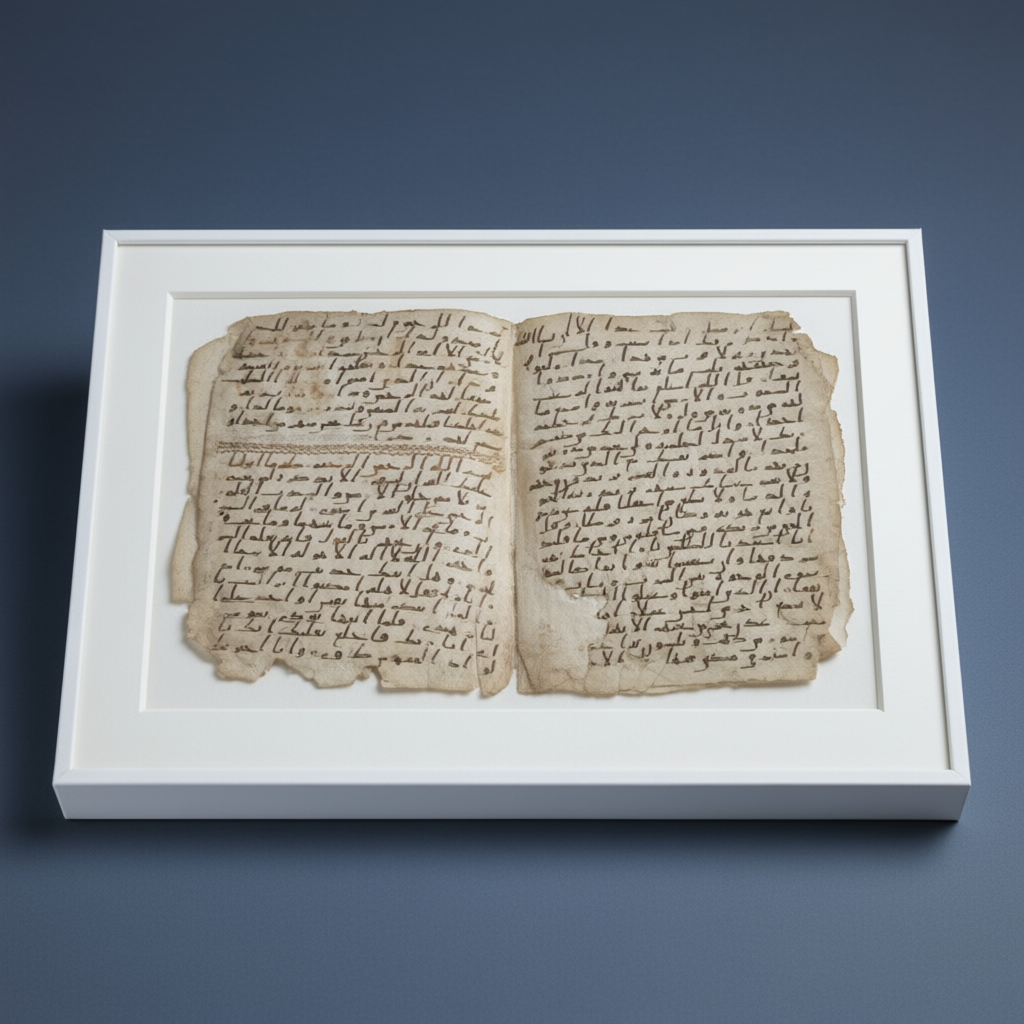
To investigate the Quran’s preservation, we examine the earliest physical copies. The most famous early manuscript is the Birmingham Quran, carbon-dated to between 568 and 645 CE, overlapping with the lifetime of the Prophet Muhammad (died 632 CE). This fragment contains portions of Surahs 18-20, and its text is identical to the standard modern Quran. Radiocarbon dating provides a scientific estimate for the parchment’s age, and textual analysis confirms the reading matches today’s copy.
Other early manuscripts include the Codex Sana'a, discovered in Yemen in 1972. Some folios of this manuscript show variations in orthography and verse divisions, but these are minor and do not affect meaning. The vast majority of the Sana'a manuscript matches the standard text. Scholars have noted these variations are consistent with accepted modes of recitation (qira'at) from the Prophet's time.
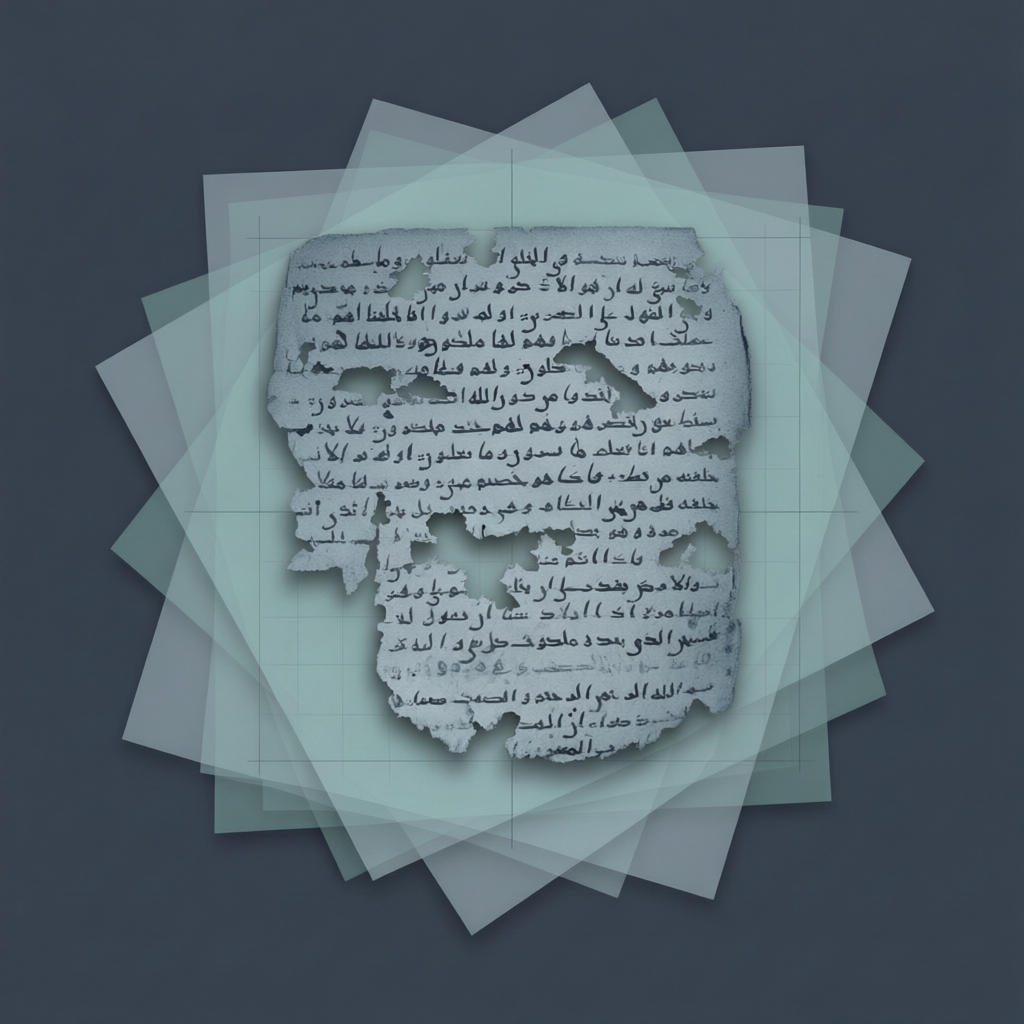
Critics sometimes point to the Sana'a palimpsest (a manuscript with overwritten text) as evidence of change. However, the lower text shows differences that are mostly scribal variants, not theological alterations. For example, the word 'arš (throne) might appear as 'arš in one place and kursī (footstool) in another, but both words appear elsewhere in the Quran with similar meanings. No systematic change in doctrine or law is observable.
What about the Uthmanic recension? According to Islamic tradition, the third caliph Uthman standardized the Quranic text about 20 years after the Prophet’s death. This was not a change to content but a unification of the script to prevent regional disputes. Early manuscripts from before this standardization, like the Birmingham fragment, show no substantive differences from the text standardized afterward. The tradition is consistent with the manuscript evidence.
The conclusion from the manuscript evidence is clear: the Quran we have today is the same as the Quran that existed in the 7th century. No major deletions, additions, or theological alterations have been found. This matches the Quran’s own claim of preservation.
3. Common Counterarguments: Do They Hold Up?
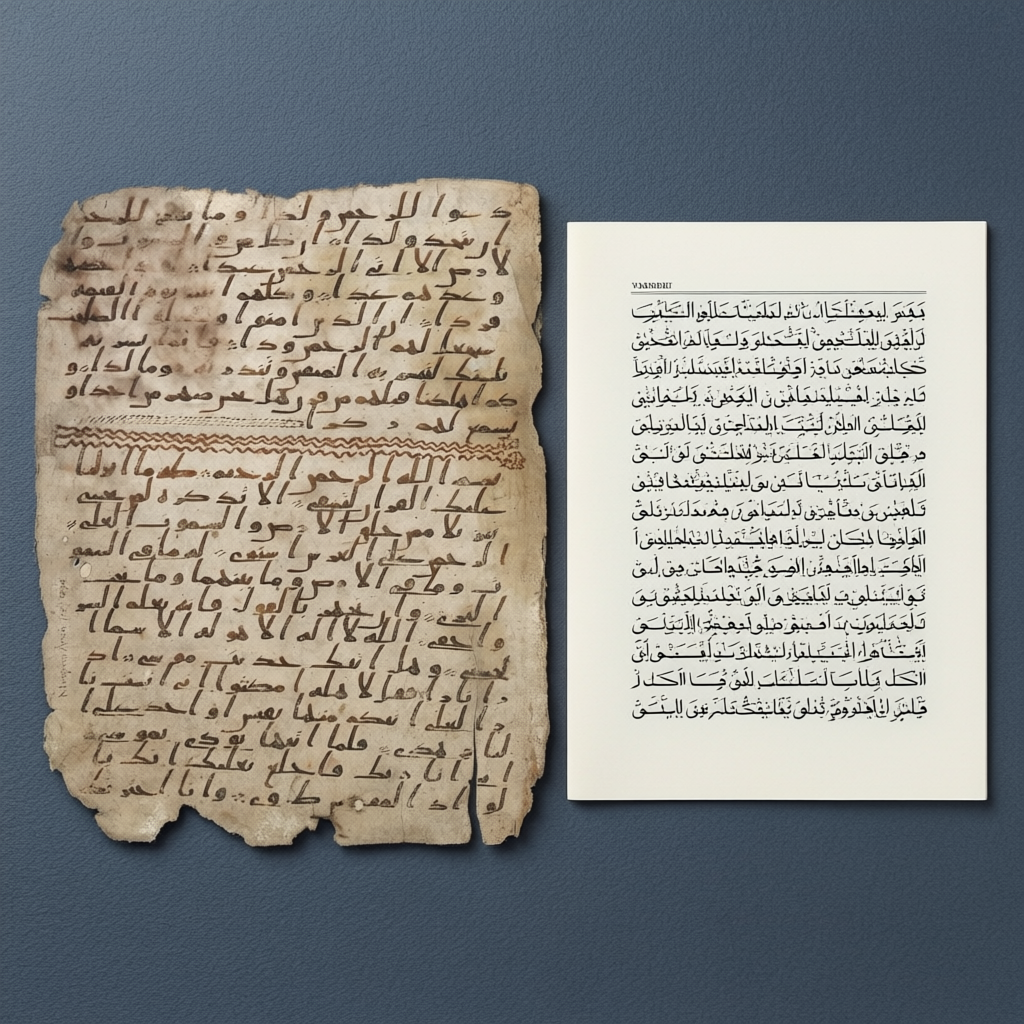
One common argument is that the Quran has 'destroyed variants' or that the Uthmanic recension destroyed earlier versions. However, no credible evidence exists that entire variant Quranic codices were burned. Islamic sources mention that Uthman ordered the destruction of unofficial copies to prevent confusion, but these were not variant texts, they were copies that may have had errors or were based on different recitation styles. The goal was consistency, not censorship.
Another argument involves the so-called 'Satanic verses' incident, where some claim the Quran originally contained verses that were later removed. This story appears only in later historical works, not in any authentic Quranic manuscript or early source. The Quran itself denies such an event in Surah Al-Hajj (22:52), stating that any insertion by Satan is removed by God. The story has no manuscript support.
Some skeptics claim that the Quran has internal contradictions indicating alteration. For example, they point to different numbers of days of creation in different verses. But these differences are not contradictions; they are different aspects of the same event. The Quran says God created the heavens and the earth in six days (7: 54) and that He completed them in two days then set the measure in four days (41. 9-12). The six includes both the two and the four; they are complementary, not contradictory. Such apparent contradictions dissolve upon careful reading.
Finally, there is the claim that the Quran has been 'corrupted' by variant readings. But the qira'at are not corruptions; they are different ways of pronouncing the same consonantal text, recognized by the Prophet himself. For example, the famous reading of 'Mālik' vs. 'Malik' in Surah Al-Fatiha (1:4) both mean 'Master' and are acceptable. These are not changes to the Quran but valid forms of recitation.
In each case, the criticism fails when tested against actual evidence. The Quran’s own claim stands.